*This edited volume has been widely reviewed in academic journals and adopted in university courses.
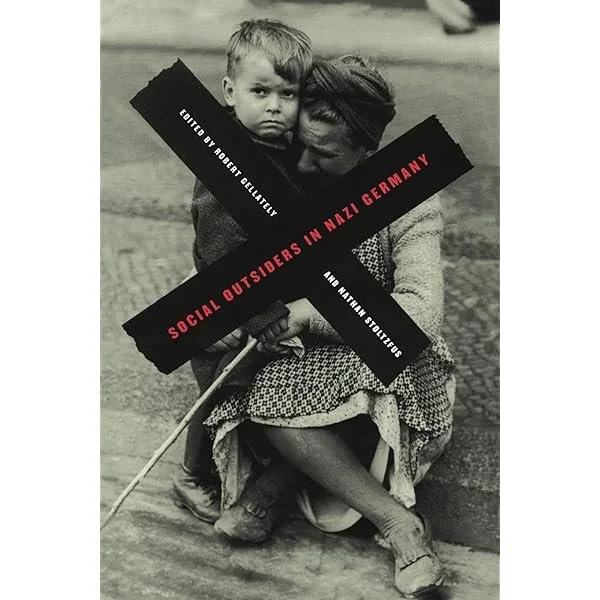
This volume investigates how Nazi Germany defined and enforced social belonging by targeting those labeled as outsiders. Moving beyond racial categories alone, the essays examine groups such as the homeless, the disabled, so-called “asocials,” and others whose lives were shaped by surveillance, regulation, and exclusion.
By focusing on everyday mechanisms policing, welfare systems, community denunciation, and bureaucratic classification the book reveals how social control operated at the local level. The volume shows how exclusion became a central feature of Nazi governance, sustained not only by state institutions but by social participation and conformity.