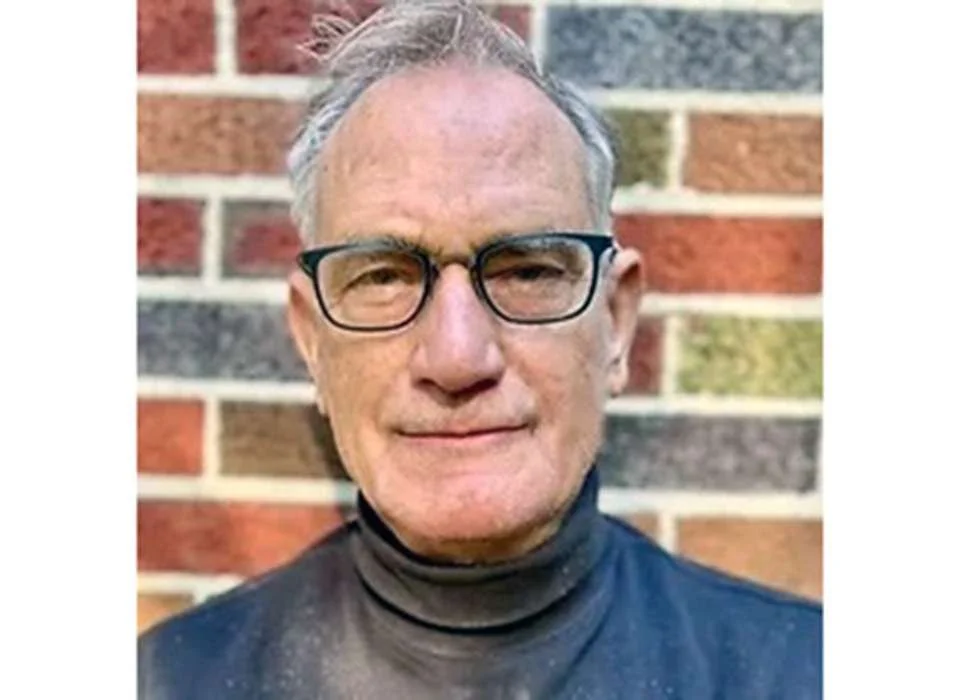
I am a historian of Modern Europe focused on themes of social outsiders, resistance and civil courage, Hitler, the Holocaust and Genocide. Until retirement from teaching in 2024, I was the Dorothy and Jonathan Rintels Professor of Holocaust Studies at Florida State University in the History Department. In 2018 with Mordecai Paldiel I founded the Rosenstrasse Civil Courage Foundation, which I serve as president and which received nonprofit, 501(c)(3) status in 2021.
I am author or editor of nine books and published in general intellectual publications including Die Zeit, Atlantic Monthly, Der Spiegel, Daily Beast, American Scholar. My Harvard dissertation “Social Limitations on the Nazi Dictatorship” was co-winner of the Ernst Fraenkel Prize in Contemporary History and published as Resistance of the Heart: Intermarriage and the Rosenstrasse Protest in Nazi Germany (WW Norton 1996). Joan Bakewell selected it as a New Statesman Book of the year, and the German translation (Foreword by German Foreign Minister Joschka Fischer) placed second on Germany’s Bestenliste, The Swedish translation was a main selection for the Clio-Den Swedish Book Club in March-April,2004.
For this work on the history of Jewish/non-Jewish intermarriages I received grants to live and research in East as well as West Berlin from the Fulbright Program, IREX, the Albert Einstein Institution, the Harry Frank Guggenheim Foundation, the Friedrich Ebert Stiftung, among others. I have been a faculty member of the National Judicial College and a consultant for media and other organizations (the BBC, the U.S. Holocaust Memorial Museum).
My work emphasizes the importance of social context and norms for understanding not only extraordinary evil but also Hitler’s skills as a politician. Much as remnants of former legal traditions continued to influence Nazi courts, Behaviors rooted in Germany’s private sphere and religious traditions persisted in contradiction to the will of Hitler. Yet he chose not to crush traditions of his own German Volk with terror, instructing his Gauleiter deputies instead to persuade the people that what Hitler wanted was always in their own best self-interest, while they won his war.
In 1992, Germans formed the Rosenstrasse Project Group after reading “with astonishment and amazement about our ignorance” my longform article in Die ZEIT. In 2008, Germany’s prominent weekly magazine Der Spiegel stated that my book Resistance of the Heart had “sparked an intense debate about resistance during the Nazi era.” Germany’s leading intellectual newspaper, Die Zeit, observed in February 2013 that my work “triggered an ongoing controversy,” which its editors had titled in 2004 a “Historians’ controversy (Historikerstreit) about Rosenstrasse.” This dispute is demonstrated in scholarly articles as well. It was represented in disputes about the film Rosenstrasse from Margarette von Trotta, whom I had written to in 1989 proposing a film, sharing with her my articles and manuscripts based on my interviews with eyewitnesses and survivors over the following years.
My interest in this history began with and has followed investigations into why humans collectivize and the relationship of mass associations to authority, whether rooted in social norms or due to police force shaping outward behavior. How do tyranny's social pillars indicate social possibilities for limiting it? An op ed in 2015 which I titled “Are We Better than Weimar Germans” drew some parallels, while acknowledging various differences, between the prospect of a Donald Trump presidency and the political and popular support that buoyed the rise of Hitler.
EDUCATION
Stoltzfus earned his B.A. from Goshen College and his M.A., M.Div., and Ph.D. from Harvard University.
*Nathan currently lives in D.C. and Tallahassee with his wife Maria and their lovely cat Mauvaki.